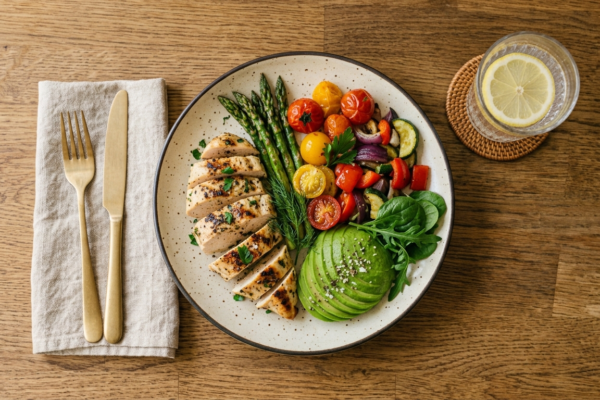
How to Eat Well and Keep Your Blood Sugar in Check: Diabetic Diet Plan.

Just when you sit down at the dinner table, the diabetic diet plan takes a warm plate of rice or fresh bread, and take a bite,
Just when you sit down at the dinner table, the diabetic diet plan takes a warm plate of rice or fresh bread, and take a bite, immediately that nagging little voice kicks in: Should I really be eating this?
Come on, let’s be real. Hearing that you have high blood sugar feels like someone just stripped all the fun out of your kitchen. The people start giving you unsolicited advice, telling you to cut out everything you like, and suddenly eating feels like a math test.
I tell you, honestly, finding a realistic diabetic diet plan doesn’t mean you have to live on plain lettuce and sadness. Diabetes is definitely something you need to take seriously, but it isn’t a life sentence for boring food. It’s just about learning how different meals hit your system so you can stay energetic without dealing with wild sugar crashes.
Simple Morning Routine Habits: Why Waking Up Exhausted Is Ruining Your Day.
The Big Idea: What Goes on the Plate?
When the heart of an effective diabetic diet plan isn’t about starving, it’s about making small, smarter swaps.
And when you eat plain white rice, sugary desserts, or processed flour, your body breaks them down almost instantly. Oh no, that dumps a rush of sugar straight into your bloodstream. To balance things out, you want foods that digest slowly, yes. You can:
- Switch to slow-burning carbs: Instead of white rice or white bread, lean toward brown rice, whole-wheat flatbread (roti), oats, or barley. They break down at a much calmer pace.
- Load up on fiber: Fiber is your best friend here. It slows down digestion so glucose enters your blood gently. Think spinach, cauliflower, cucumbers, cabbage, bitter gourd, and everyday lentils or beans.
- Add clean protein: Protein keeps you full and doesn’t mess with your sugar numbers. Skinless chicken, eggs, and local fish are great options. A single boiled egg in the morning works wonders.
- Don’t fear healthy fats: A splash of olive oil or a small handful of walnuts, almonds, and chia seeds can help keep your heart healthy and help you feel satisfied after meals.
You think if you like digging into the clinical details of how food balance works, Mayo Clinic’s guide to diabetes meal planning breaks down the science in a really clear way. From you.
What Does the Normal Day of Eating Look Like?
You think you don’t need fancy, expensive superfoods. To make life simple, here’s a sample daily diabetic diet plan you can try tomorrow. and another day:
- Breakfast (around 7:30 – 8:00 AM): Two small whole-wheat rotis with a bowl of lightly cooked mixed vegetables, plus one boiled egg. Not feeling roti? Have a warm bowl of plain oats topped with a spoonful of plain unsweetened yogurt.
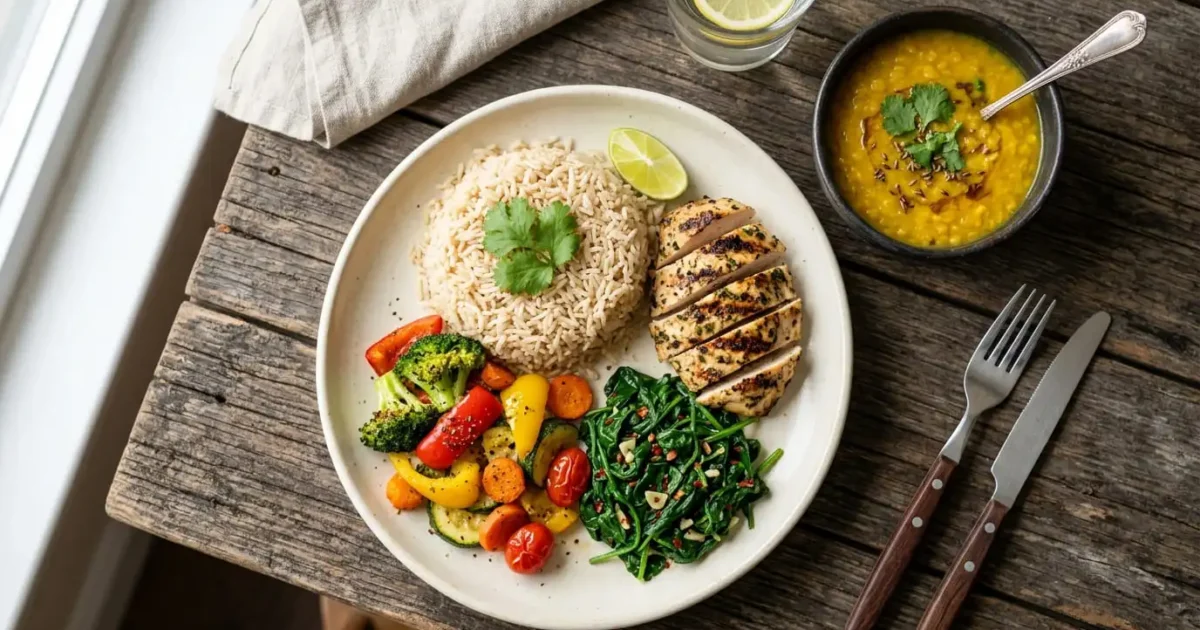
- Lunch (around 1:30 – 2:00 PM): One modest cup of brown rice, a bowl of thick lentil soup (dal), a large plate of fresh salad or greens, and a piece of grilled or curried fish or chicken.
- Late Afternoon Snack (around 5:00 PM): A cup of green tea (no sugar, please) with a small handful of almonds, or a couple of slices of fresh guava or green apple.
- Dinner (around 8:30 PM): Keep it lighter than lunch. One or two whole-wheat rotis, plenty of cooked veggies, and a piece of fish or chicken.
Things to Cut Back On
You can look. Nobody expects perfection overnight, but there are a few things that consistently push your blood sugar off a cliff. On you:
- Liquid sugar: Soda, sweetened tea, and packaged fruit juices hit your bloodstream like a freight train. Stick to plain water or unsweetened tea.
- Processed junk: Potato chips, packaged fried snacks, and bakery goods made with refined white flour.
- Very sweet fruits in large piles: Mangoes, jackfruit, and ripe bananas are delicious, but they pack a heavy sugar punch. Enjoy them in tiny amounts, not as a giant bowlful.
3 Simple Habits You Can Start Today
You can follow a practical diabetic diet plan that works best when paired with simple daily habits. Forget extreme lifestyle overhauls—just start with these three from today:
- Eat around the same time every day. Your body runs on a clock. When you eat meals at regular intervals, your insulin system knows what to expect and stays far more stable.
- Drink a glass or two of water. Staying hydrated helps your kidneys flush out extra glucose through your urine naturally. Keep a bottle near your desk.
- Go for a 15-to-20-minute walk after eating. You don’t have to train like an athlete. Just a gentle walk around the block after lunch or dinner pulls sugar out of your blood and into your working muscles right when you need it most.
Wrapping It Up
Now managing your health doesn’t mean dinner has to be miserable. And with a few sensible adjustments, you can just keep your blood sugar completely under control while still genuinely enjoying what is on your plate.
You just keep in mind that everybody reacts a bit differently to carbs and check your number regularly, see what your body likes, and have a quick chat with your doctor or a local dietitian to tailor thinking to your exact routing on your day.
Frequently Asked Questions (FAQ)
Q1: Can I still eat rice if I have diabetes?
Answer: Yes, you don’t have to ban rice forever. The secret is portion control and smart swaps. Instead of polished white rice, choose brown rice or parboiled rice in modest portions (about one small cup). Always pair your rice with plenty of fiber-rich leafy greens, lentils, and clean protein like fish or chicken to prevent sudden blood sugar spikes.
Q2: Are all sweet fruits completely off-limits?
Answer: Not at all. Fruits provide essential vitamins and dietary fiber. You should simply avoid large portions of very sugary fruits like ripe mangoes, jackfruit, and bananas. Instead, go for low-glycemic options like green apples, guavas, oranges, and berries, and eat them whole rather than blending them into juice.
Q3: Why does walking for 15 minutes after eating make such a big difference?
Answer: When you walk right after a meal, your active leg muscles pull glucose directly from your bloodstream to use as immediate fuel. This acts like a natural sponge for sugar, drastically flattening post-meal glucose spikes without forcing your pancreas to work overtime.
Q4: What are the best healthy snacks when I feel hungry between meals?
Answer: Skip packaged biscuits, chips, and bakery snacks. Great low-carb alternatives include a small handful of roasted almonds or walnuts, a hard-boiled egg, fresh cucumber slices with a pinch of black pepper, or a warm cup of unsweetened green tea.
Q5: Does a diabetic diet mean I have to eat completely bland food?
Answer: Absolutely not. Spices and herbs like turmeric, ginger, garlic, cinnamon, cumin, and fresh coriander add incredible flavor without adding sugar or unhealthy carbs. You can enjoy richly spiced, delicious curries as long as you use minimal cooking oil and avoid refined sugar or sweet sauces.
Written & Verified by Daily Health Fix 24 Editorial Team
Our team provides practical, evidence-based wellness guidance derived from peer-reviewed scientific journals, clinical trials, and trusted global health institutions (such as NIH, Harvard Health, and Mayo Clinic).